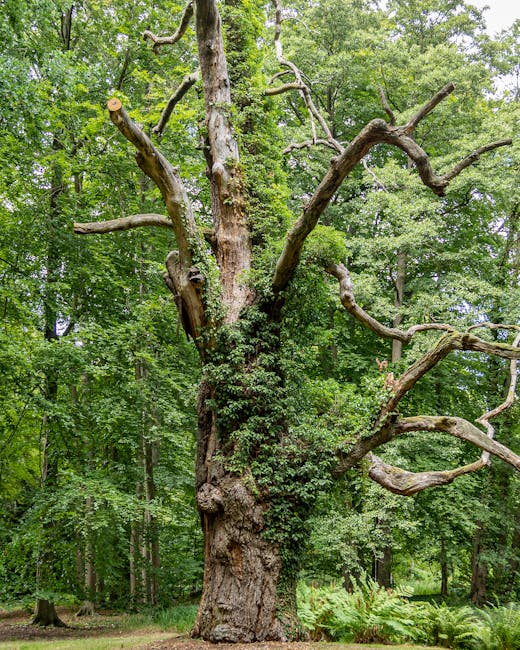
Honor Oak tree pruning permits Lewisham Council guidance

If you are planning tree work in Honor Oak, the first question is often not how to prune, but whether you need permission at all. That is where Honor Oak tree pruning permits Lewisham Council guidance becomes useful. In a leafy part of south-east London, the rules can feel a bit tangled: tree preservation orders, conservation areas, neighbour concerns, overhead wires, and the simple fact that one badly judged cut can cause more harm than good.
This guide breaks it down in plain English. You will learn when permission may be needed, how pruning decisions are usually approached, what good practice looks like, and how to avoid the common mistakes that lead to delays or complaints. It is written for homeowners, landlords, property managers, and anyone who has ever looked up at a large tree and thought, "Right then... where do I even start?"
Why Honor Oak tree pruning permits Lewisham Council guidance Matters
Tree pruning is rarely just a garden job. In built-up parts of Lewisham, trees can sit close to roads, boundary fences, footpaths, period homes, and neighbouring gardens. That means the question of permission can matter as much as the pruning itself. If a tree is protected, if the property sits in a conservation area, or if the work could affect a shared boundary, you may need to pause and check before anyone starts cutting.
That pause is worth it. A tree that is pruned properly can stay healthy, safer, and more manageable. A tree that is pruned carelessly can become stressed, misshapen, or vulnerable to disease. And if work is done without the right consent, the problem can move from horticulture into compliance. Not ideal, really.
For local residents, the guidance also helps with timing. Winter light, spring growth, nesting bird activity, neighbour access, and visibility over pavements can all shape the best course of action. A sensible pruning plan considers all of that at once, rather than treating the tree as if it were a hedge. It is not. Trees have structure, biology, and long memories, in a manner of speaking.
If your wider garden needs attention too, it can help to think about pruning as part of a broader maintenance plan. Services such as garden maintenance and tree lopping and removal are often discussed together because tree work is rarely an isolated task. The same applies if you are tidying boundaries with hedge trimming or sorting out the aftermath of larger garden work with garden clearance.
How Honor Oak tree pruning permits Lewisham Council guidance Works
The basic idea is straightforward: before carrying out pruning on certain trees, you need to establish whether the work is permitted, whether formal consent is required, or whether you should simply proceed with normal care and good practice. In the Lewisham area, the key factors usually include the legal status of the tree, the type of work proposed, and the setting around the tree.
In practical terms, the process often looks like this:
- Identify the tree species and its condition.
- Check whether the tree is protected or in a special planning area.
- Decide what type of pruning is needed and why.
- Consider whether the work is routine maintenance or something more substantial.
- Assess the likely impact on the tree, neighbours, light, and safety.
- Confirm whether permission, notification, or no formal action is needed.
It is easy to assume "pruning" always means a small trim. Sometimes it does. But in other cases the proposed work could be crown thinning, crown reduction, lifting lower branches, removing deadwood, or cutting back limbs close to a structure. Those are not interchangeable. Councils and tree professionals treat them differently because the risk and impact are different. That is the bit people miss when they rush.
One thing to remember: permission rules are not there to make life difficult. They are mainly there to protect trees that contribute to the local landscape, biodiversity, and amenity value. The goal is balance. A safe, healthy tree can coexist with a practical garden, but only if the work is judged properly.
Key Benefits and Practical Advantages
Working from proper guidance gives you several real-world benefits, and none of them are just bureaucratic box-ticking.
- Less risk of enforcement issues: If the tree is protected, checking first helps avoid accidental breaches.
- Healthier tree outcomes: The right pruning method supports regrowth rather than creating weak points or unnecessary stress.
- Better neighbour relations: Clear planning reduces surprise, disputes, and "why did you cut that branch?" conversations over the fence.
- Safer gardens: Targeted pruning can improve clearance from roofs, paths, and driveways.
- Cleaner long-term maintenance: Regular, modest work is usually easier on the tree than dramatic corrective cutting later.
There is also a financial angle, though it is often overlooked. A measured pruning approach can be less costly over time than dealing with neglected growth, emergency work after storm damage, or remedial treatment after poor pruning. If you want to plan properly, it may be helpful to review pricing and quotes early, especially if the job might involve access equipment, waste removal, or more than one tree.
And for many homes in Honor Oak, the improvement is visual as well as practical. A properly shaped canopy lets in more light, reduces that heavy overhanging feeling, and can make a small garden feel calmer. You notice it on a dull afternoon, when the space suddenly seems less enclosed. Small thing, big difference.
Who This Is For and When It Makes Sense
This guidance is useful if you are a homeowner wondering whether a tree can be trimmed back this month, a landlord managing a rental property, or a property manager responsible for shared outdoor spaces. It is also relevant if you have inherited an overgrown garden and are trying to work out what is essential, what is optional, and what might need approval first.
It makes particular sense when any of the following apply:
- The tree is mature, sizeable, or close to a road or neighbouring boundary.
- You suspect the tree might be protected or located in a conservation area.
- Branches are interfering with gutters, fencing, rooflines, or driveways.
- The tree has dead or damaged limbs after wind or dry spells.
- You want to keep the garden tidy without reducing the tree's health or shape.
If the work is part of a bigger project, such as redesigning the garden, replacing hard landscaping, or opening up a space for new planting, it can be wise to think beyond the tree itself. A broader plan may include landscaping, landscape gardening, or even small structural upgrades like decking services. Trees shape the rest of the garden, so it makes sense to plan around them rather than after them.
Truth be told, this is where many people get caught out: they call a contractor for "just a quick prune" and then discover the tree needs a more careful assessment. That is not a failure. It is good practice. Better to find out before the ladder goes up.
Step-by-Step Guidance
If you want to handle the process sensibly, follow a simple sequence. No drama. No guesswork.
1. Start with the tree, not the tools
Look at the tree from several angles. What is actually wrong? Is it blocking light, touching a wall, dropping deadwood, or simply too large for the space? Knowing the reason for pruning helps determine the right approach and whether it sounds like routine maintenance or a more formal issue.
2. Check the location and any obvious protections
In Honor Oak and wider Lewisham, tree location matters. Trees in conservation areas or covered by protection orders may require consent before work. If you are unsure, stop and verify before you prune. A quick check can save a lot of bother later.
3. Define the type of pruning you actually need
Common pruning intentions include:
- Deadwood removal: taking out dead or broken branches.
- Crown thinning: lightly removing selected branches to reduce density.
- Crown reduction: shortening the outer canopy to reduce overall size.
- Crown lifting: removing lower branches for clearance.
- Formative pruning: shaping younger trees so they develop well.
These are not the same job. A tree that merely needs deadwood removed is in a different category from one that is dominating a garden boundary.
4. Assess safety and access
Think about power lines, sheds, glass roofs, neighbours' gardens, and where cut branches will land. If the tree work needs climbing, rigging, or controlled lowering of heavy limbs, it is rarely a "DIY Sunday afternoon" moment. Safer to be honest about that from the start.
5. Decide whether professional input is needed
Many pruning jobs are perfectly manageable for experienced arboricultural teams. If the tree is tall, protected, or close to a structure, professional assessment is usually the sensible route. It is not overcautious; it is practical.
6. Plan timing and aftercare
Once the work is agreed, think about the season, wildlife, and the tree's recovery. Aftercare may include monitoring cut surfaces, watering during dry periods, and avoiding additional stress to roots or soil. A tidy prune is only part of the picture.
Expert Tips for Better Results
Good pruning is as much about restraint as it is about cutting. That sounds obvious, but honestly, it is where a lot of the quality comes from.
- Make the minimum cut needed. More is not always better. Over-reduction can spoil the shape and weaken regrowth.
- Keep the tree's natural form in mind. A tree should still look like itself after the work. If it looks like it had a rough haircut, something probably went wrong.
- Remove dead, diseased, or crossing branches first. These are often the most useful cuts.
- Use a phased approach where possible. For a heavily overgrown tree, more than one visit may produce a better result than one aggressive session.
- Balance tree health and property needs. A branch can be a nuisance without being dangerous. Not every inconvenience needs a major cut.
- Document what was done. Keep notes or photos. That helps if future questions arise about consent, growth patterns, or repeated work.
One small but important observation: after a trim, people often decide the tree is "fixed" and forget about it for years. That is how manageable growth becomes a bigger job. A lighter, regular approach usually pays off.
If tree work forms part of regular upkeep, it can be useful to coordinate with broader outdoor care. For example, scheduling pruning alongside lawn mowing or seasonal garden maintenance can make the whole space feel properly under control instead of patched together.
Common Mistakes to Avoid
Here are the mistakes that cause most headaches. Some are minor. Some are the sort that lead to expensive follow-up work.
- Assuming all pruning is routine. A protected tree may need formal consent.
- Cutting too much at once. Severe reduction can shock the tree and leave it looking lopsided.
- Ignoring the reason for the work. "It needed doing" is not always enough. Be clear about the problem.
- Pruning at the wrong time. Timing matters for tree health, nesting birds, and local disturbance.
- Leaving stubs or ragged cuts. These can create entry points for decay.
- Forgetting neighbours and access. Branches falling the wrong way can create avoidable disputes.
- Mixing up pruning and removal. If the tree is failing structurally, pruning may not be the right answer at all.
A quick story from the real world: a homeowner once trims a small upper section themselves, only to discover the tree had a much larger root and canopy structure than they expected. The result was uneven, not dangerous but awkward, and the follow-up work took longer than if the original plan had been clearer. It happens. More often than people admit.
Tools, Resources and Recommendations
You do not need every tool under the sun to manage tree pruning well. What you do need is the right approach, accurate information, and a safe setup.
| Need | Useful approach | Why it helps |
|---|---|---|
| Permission check | Identify tree status before booking work | Prevents avoidable delays and compliance issues |
| Pruning decision | Choose the lightest method that solves the problem | Protects tree structure and recovery |
| Safety planning | Assess access, drop zones, and nearby structures | Reduces risk to property and people |
| Waste handling | Plan for green waste removal or recycling | Keeps the site tidy and makes the job easier |
| Ongoing care | Integrate pruning with routine outdoor maintenance | Prevents small issues becoming bigger ones |
For many households, the most practical support is a provider that understands both tree work and the surrounding garden context. That might mean combining pruning with services overview planning, arranging safe working practices through insurance and safety, or making sure waste is handled responsibly through recycling and sustainability practices.
If the work is part of a larger tidy-up, consider whether the area also needs support from garden clearance or even a more visual refresh after the tree work is done. Sometimes once the canopy opens up, you suddenly notice the rest of the garden needs a bit of love too. Funny how that happens.
Law, Compliance, Standards, or Best Practice
When pruning trees in a Lewisham setting, the safest mindset is simple: treat tree protection as something to verify, not assume away. Local planning controls, tree preservation considerations, and conservation area rules can all affect whether permission is required. The exact status of a tree is always more important than guesswork based on appearance.
Best practice in the UK tree care context usually includes:
- checking the tree's legal status before work begins,
- avoiding unnecessary or excessive cutting,
- using trained operatives for complex work,
- keeping a sensible record of decisions and work carried out,
- respecting wildlife, neighbouring property, and public safety.
Where the tree is protected, it is especially important to be cautious. The details can vary depending on the tree and location, so this article deliberately avoids pretending there is one universal answer. There usually is not. If a tree is in doubt, the responsible thing is to confirm before any branches come off.
Also worth saying: good compliance is not just about avoiding trouble. It often leads to better work. A well-planned pruning job tends to be tidier, safer, and more respectful of the tree's future shape. That is the standard you want, even if nobody is standing there checking.
Options, Methods, or Comparison Table
Different pruning approaches suit different situations. Here is a simple comparison to help you think it through.
| Method | Best for | Typical benefits | Watch-outs |
|---|---|---|---|
| Deadwood removal | Trees with broken or dead branches | Improves safety and tidiness | Does not address size or structure issues |
| Crown thinning | Moderately dense canopies | Lets more light and wind through | Should remain selective, not hollowed out |
| Crown reduction | Overlarge trees near buildings or boundaries | Reduces spread and encroachment | Overdoing it can disfigure the tree |
| Crown lifting | Low branches blocking access or views | Improves clearance | Too much lifting can leave the canopy unbalanced |
| Removal | Unsafe, dying, or unsuitable trees | Solves structural risk fully | Usually the most serious option and may need permission |
If you are torn between methods, think about the tree's health first and the site constraints second. That order matters. A tree that can be preserved with careful pruning is usually worth preserving. A tree that cannot be made safe or sustainable may need a different decision entirely.
Case Study or Real-World Example
Imagine a semi-detached home in Honor Oak with a mature tree at the back, close to the fence and visible from the kitchen window. The branches are not dangerous, but the canopy has spread enough to shade the garden and lean toward the neighbour's side. The homeowner wants a lighter, tidier shape before summer.
The sensible approach is to first check whether the tree is protected and whether any formal permission or notification is needed. Next, the pruning objective is defined clearly: not a drastic cut, but a modest reduction with deadwood removal and careful shaping. The work is then scheduled with enough room for safe access, and the cuttings are removed cleanly so the garden is not left looking like a hedge trimmer exploded. Slight exaggeration, but you get the idea.
After the work, the tree keeps its character, the garden gets more light, and the boundary issue is improved without overworking the canopy. The key is that the decision was made with the tree's long-term form in mind, not just the immediate annoyance of shade. That is usually what good local tree care looks like.
If the space around the tree also needs a wider refresh, the homeowner may later add broader outdoor work through landscape gardening or landscaping, but only after the tree itself has been dealt with properly. One job at a time, sensibly done.
Practical Checklist
Use this checklist before any pruning begins. It keeps the process calm and clear.
- Confirm the tree's location and approximate size.
- Check whether the tree might be protected or in a special planning area.
- Define the exact reason for pruning.
- Choose the lightest pruning method that solves the problem.
- Consider wildlife, seasonality, and nesting risks.
- Assess access, safety, and nearby property.
- Plan where arisings and waste will go.
- Keep notes or photos of the work and the reason for it.
- Review whether follow-up maintenance will be needed later in the year.
If you are ticking several of these boxes and still feel unsure, that is usually a sign to slow down rather than push ahead. No shame in that. Trees are patient; you can be too.
Get a free quote today and see how much you can save.
Conclusion
Honor Oak tree pruning permits Lewisham Council guidance is really about making a careful decision before you cut. Check the tree's status, understand the type of work needed, and treat pruning as a long-term health and safety issue, not just a tidy-up job. When you do that, the result is usually better for the tree, better for the garden, and better for everyone living nearby.
Whether you are dealing with a small overhang or a mature canopy that has quietly taken over half the light in the garden, the safest route is the same: assess first, prune second, and keep the work proportionate. That approach tends to age well, which is more than can be said for a rushed haircut on a windy afternoon.
For support with broader garden work around tree pruning, you can also explore about us, review the team's health and safety policy, or learn more about tree lopping and removal where a more involved solution may be needed.
Done properly, tree care is steady, respectful work. And honestly, a well-kept tree does a lot for a street. It softens the view, cools the space, and makes the garden feel lived in rather than merely maintained.
Frequently Asked Questions
Do I need permission to prune a tree in Honor Oak?
Sometimes, yes. It depends on whether the tree is protected, whether it sits in a conservation area, and what kind of pruning you want to do. Light maintenance is not always the same as formal tree work, so checking first is the sensible move.
What counts as tree pruning rather than tree removal?
Pruning means cutting selected branches to improve structure, health, safety, or shape. Removal means taking the whole tree out. They are treated very differently, both practically and legally.
Can I just cut back branches hanging over my garden?
You may be able to prune branches that overhang your property, but you still need to avoid damaging the tree more than necessary and you must be careful if the tree is protected. It is wise to check before you start, especially with mature trees.
Is winter the best time to prune trees in Lewisham?
Not always. Some trees are best pruned in dormancy, while others need different timing. The right season depends on the species, the reason for pruning, and wildlife considerations. There is no one-size-fits-all answer here.
What is the difference between crown reduction and crown thinning?
Crown reduction shortens the overall size of the canopy. Crown thinning removes selected branches to let more light and wind through without greatly changing the tree's overall size. They solve different problems.
How do I know if a tree is protected?
That usually requires checking the tree's legal status, property context, and local planning controls. If you are unsure, do not guess. A quick verification step can save a lot of hassle.
Can bad pruning damage a tree permanently?
Yes, it can. Over-cutting, poor cut placement, or repeated harsh pruning may weaken the tree, create decay points, and distort future growth. Trees recover best from measured, well-judged work.
Do I need a professional for tree pruning?
For small, low-risk work you might not, but mature trees, tall trees, trees close to buildings, or anything potentially protected are usually better handled by experienced professionals. Safety and judgement matter more than speed.
What should I ask before booking tree pruning?
Ask whether the tree needs permission checks, what method is proposed, how waste will be handled, whether the team is insured, and what aftercare is recommended. Clear questions usually lead to clearer work.
Will pruning affect my neighbour relations?
It can, for better or worse. Careful pruning and good communication usually help. A rushed cut that changes light, privacy, or appearance without warning can cause unnecessary friction. A little courtesy goes a long way.
How much does tree pruning cost?
Costs vary depending on tree size, access, complexity, waste removal, and whether permission or specialist handling is involved. The most reliable route is to request a tailored quote rather than rely on a rough guess.
Where can I get help with tree work and wider garden care?
If you want tree work handled alongside general garden upkeep, it helps to look at a provider that can coordinate pruning with maintenance, clearance, and safe disposal. That keeps the job neat and avoids piecemeal fixes later on.